
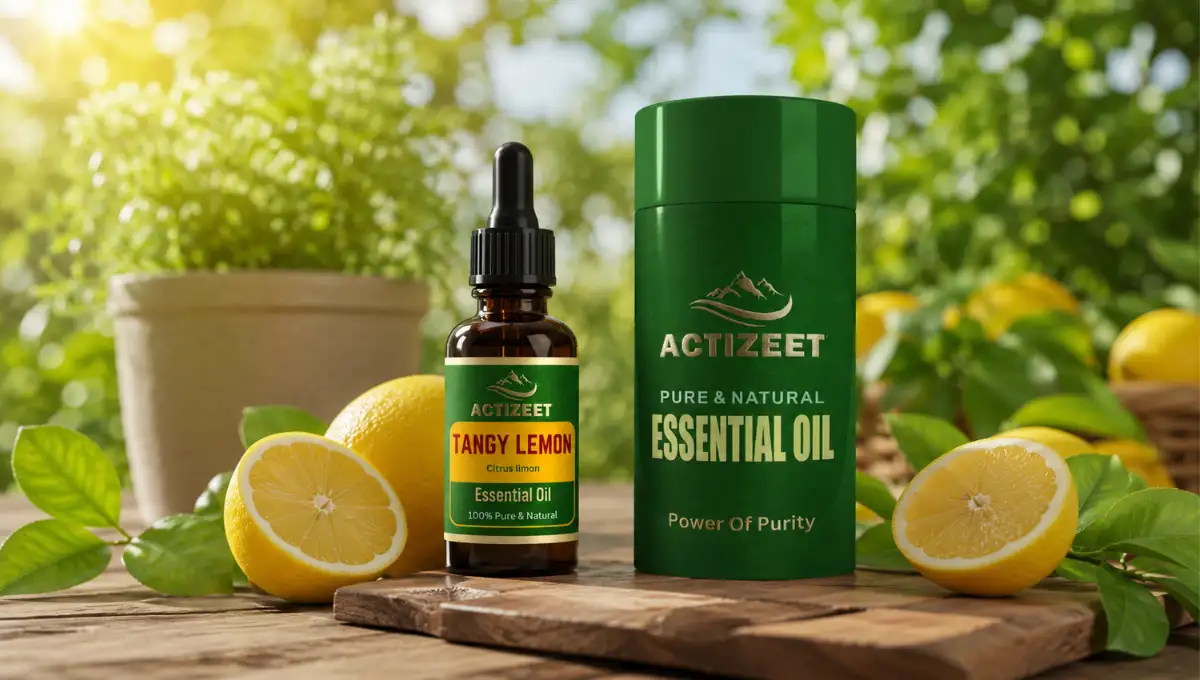
15 Tangy Lemon Essential Oil Benefits: How Citrus limon d-Limonene Delivers ScienceDirect Anxiety Relief, PMC DNA Protection, Anticancer Research, Antimicrobial, and India's Most Uplifting Aromatic Therapy
Tangy lemon essential oil from Citrus limon concentrates d-limonene, the world's most studied monoterpene at up to 78% of total composition, into its most potent aromatic therapeutic form. A ScienceDirect systematic review of clinical trials confirmed lemon essential oil's efficacy in reducing anxiety in exam students, cardiac patients, and pre-surgical patients. A PMC 2024 study confirmed antigenotoxic DNA protection in human blood cells. And published research confirms d-limonene's antimicrobial, anticancer, antioxidant, analgesic, and neuroprotective properties. This guide covers all 15 benefits.
India's relationship with lemon is ancient, continuous, and deeply practical. The lemon tree grows in virtually every Indian home garden, every Indian kitchen uses lemon daily, and the bright citrus aroma of freshly cut lemon is one of the most universally recognized and most universally described as "energizing" or "refreshing" aromas in Indian sensory experience. India is one of the world's largest lemon producers, and Citrus limon is one of the most important fruit crops in the country's agriculture.
Tangy lemon essential oil takes this extraordinary botanical, cold-pressed from the bright yellow peel of fresh lemons, and concentrates its most pharmacologically active volatile compounds into their most potent aromatic form. The primary compound is d-limonene, accounting for up to 78% of lemon peel oil's total composition by some research measurements, making lemon essential oil one of the richest natural sources of this extraordinarily versatile monoterpene. A 2024 pharmacological review of d-limonene confirmed its documented pharmacological effects span antimicrobial, anti-cancer, analgesic, anti-inflammatory, antioxidant, immune regulation, neuroprotection, and therapeutic benefits for metabolic and cardiovascular disorders.
A ScienceDirect-published systematic review specifically on lemon essential oil's therapeutic properties, reviewing eight clinical studies from an initial pool of 1,330 articles, confirmed that the results consistently demonstrated lemon essential oil's efficacy in reducing anxiety, with significant reductions observed in exam students, acute myocardial infarction patients, and pre-surgical patients. A PMC 2024 study confirmed lemon essential oil significantly reduced DNA damage in human peripheral blood mononuclear cells, establishing its antigenotoxic properties in a human cell model for the first time. This guide covers all 15 documented therapeutic benefits of tangy lemon essential oil.
Botanical name: Citrus limon (L.) Osbeck | Family: Rutaceae | Indian cultivation: Maharashtra, Andhra Pradesh, Tamil Nadu, Karnataka, Gujarat, Rajasthan; India is one of the world's top 5 lemon producers | Extraction: Cold pressing (expression) of fresh lemon peel — heat-free extraction that preserves the maximum d-limonene and volatile compound profile | Primary compound: d-Limonene (60 to 78%); the most abundant natural monoterpene; documented pharmacological effects spanning 8 major therapeutic categories | Other compounds: Beta-pinene (8 to 12%), gamma-terpinene (5 to 7%), alpha-terpineol, linalool (trace to 0.5%), citral (geranial + neral), sabinene, alpha-pinene, geraniol | Aroma: Bright, intensely fresh, sharp-citrus, clean, uplifting; universally recognized as one of the most immediately energizing and mood-lifting aromatics available
Key Active Compounds in Tangy Lemon Essential Oil
| Compound | Content | Primary Therapeutic Action |
|---|---|---|
| d-Limonene | 60–78% (dominant) | Primary therapeutic compound; antioxidant; antimicrobial; anticancer research (HMG-CoA reductase inhibition); anti-inflammatory; analgesic; neuroprotective; immune regulation; anxiolytic; cardiovascular protective; the most pharmacologically versatile natural monoterpene documented |
| Beta-Pinene | 8–12% | Antimicrobial; anti-inflammatory; anxiolytic (the Dr. Axe review confirms d-limonene and beta-pinene as the two dominant antimicrobial compounds in lemon oil); contributes to the fresh-pine undernote beneath lemon's dominant citrus character |
| Gamma-Terpinene | 5–7% | Antioxidant; antimicrobial; anti-inflammatory; the same compound in tea tree and thyme with documented antimicrobial properties |
| Citral (Geranial + Neral) | Variable; primary in some cultivars | Antimicrobial; anti-inflammatory; anxiolytic; primary contributor to the characteristic "lemon" aromatic note beyond d-limonene; antifungal against Candida species |
| Alpha-Terpineol | Minor | Antimicrobial (particularly against Gram-positive bacteria); anti-inflammatory; sedative; the same compound in tea tree oil that contributes to broad-spectrum antimicrobial activity |
| Sabinene | Minor to moderate | Antifungal; antioxidant; anti-inflammatory; contributes to the spicy-woody dimension of the overall citrus-terpene lemon oil aromatic profile |
| Geraniol | Trace | Antimicrobial; antifungal; anti-inflammatory; anticancer research; the rosy-floral compound that adds the very subtle floral complexity beneath lemon oil's primary citrus character |
15 Tangy Lemon Essential Oil Benefits
Anxiety reduction is the most specifically and most clinically documented of all lemon essential oil's therapeutic benefits, with a systematic review of eight clinical trials from 1,330 initial articles published in ScienceDirect specifically confirming lemon essential oil's anxiety-reducing efficacy across diverse clinical populations.
A ScienceDirect-published systematic review, "A Systematic Review of the Therapeutic Properties of Lemon Essential Oil," reviewed eight studies meeting stringent inclusion criteria from an initial 1,330 articles. The results consistently demonstrated lemon essential oil efficacy in reducing anxiety. Significant reductions in anxiety were observed in students during exams, acute myocardial infarction patients, and pre-surgical patients. Physiological benefits included reduced blood pressure and heart rate in acute myocardial infarction patients. The review confirmed recently scientifically proven therapeutic activities of Citrus limon include anti-inflammatory, antimicrobial, anticancer, and antiparasitic activities. A separate ScienceDirect study on nursing students specifically confirmed that lemon essential oil is reported to stimulate the central nervous system, positively affect cognitive functioning, attention levels, memory, and mood; that it acts as an antioxidant; has cholesterol-lowering, analgesic, and antibacterial effects; decreased nausea and vomiting during pregnancy; showed anti-stress effects, anxiolytic effects, and antidepressant and sedative effects in mice; and found that it might regulate blood pressure. Additionally, Ceccarelli et al. examined the behavioral, hormonal, and neuronal effects of lemon essence on mice and found that lemon essence significantly affected neuronal anxiety and pain behaviors.
The anxiety-reducing mechanism of lemon essential oil involves multiple overlapping pathways. d-Limonene specifically activates GABA-A receptors through a different binding site from benzodiazepine drugs but with similar inhibitory CNS calming effects, reducing the neural hyperexcitability of anxious states. The bright, intensely clean, uplifting citrus aroma creates an olfactory-limbic emotional environment that the nervous system immediately associates with alertness, cleanliness, and positive openness rather than the heavy emotional closeness associated with anxiety. And citral's documented anxiolytic properties provide additional anti-anxiety coverage through a third independent mechanism. The clinical significance is the range of populations showing benefit: students during high-stress exam periods, cardiac patients managing the significant anxiety of acute myocardial infarction, and pre-surgical patients managing procedural anxiety all showed consistent anxiety reduction, establishing lemon oil's clinical anxiety relief as robust across contexts and not limited to mild situational stress.
DNA protection is among the most cutting-edge and most pharmacologically significant findings in the recent lemon essential oil research literature, confirmed in a PMC 2024 study that specifically evaluated lemon essential oil's antigenotoxic (DNA-damage-preventing) properties in human cells.
A PMC 2024-published study, "Preliminary Insights into the Antigenotoxic Potential of Lemon Essential Oil and Olive Oil in Human Peripheral Blood Mononuclear Cells," confirmed that lemon essential oil derived from Citrus limon possesses diverse health-promoting properties including antioxidant, antimicrobial, and mood-enhancing effects. The study specifically evaluated antigenotoxic effects in human peripheral blood mononuclear cells (PBMCs). Treatment with lemon essential oil significantly reduced DNA damage, with 1% w/v demonstrating 3.13% DNA in tail (reduced from baseline), demonstrating greater efficacy. Furthermore, lemon essential oil attenuated streptonigrin-induced DNA damage, suggesting a potential protective effect against oxidative stress, especially at 3% w/v with 11.81% DNA in tail. The study attributed these effects to the abundance of limonene in lemon essential oil, which is well documented for its potent antioxidant properties that can scavenge reactive oxygen species and inhibit DNA damage induced by oxidative stress, noting that limonene possesses anti-inflammatory properties that may further contribute to its protective effects against DNA damage by attenuating inflammatory responses and oxidative stress pathways.
The significance of antigenotoxic DNA protection from lemon essential oil is profound, particularly for the palliative care and cancer prevention context the PMC study specifically addressed. DNA damage is the primary mechanism through which environmental toxins, UV radiation, oxidative stress, and chemical exposures cause cancer initiation, and compounds that protect DNA from this damage are among the most important class of natural preventive health actives available. The PMC study's confirmation that lemon essential oil reduced both baseline DNA damage in healthy human blood cells AND attenuated DNA damage induced by a known DNA-damaging chemical agent establishes dual protective activity: both maintenance DNA protection in healthy conditions and protective DNA response to acute toxic challenge. This dual DNA protection mechanism, combined with the d-limonene mechanism of reactive oxygen species scavenging and anti-inflammatory cytokine reduction, positions lemon essential oil as one of the most specifically human-cell-confirmed natural DNA protective preparations available in any essential oil form.
Mood uplift is the most immediately experienced and most universally reported effect of lemon essential oil aromatherapy, and the ScienceDirect research specifically confirmed that lemon essential oil positively affects cognitive functioning, attention levels, memory, and mood, with antidepressant effects documented in animal model research. The mechanism is multi-pathway: d-limonene's documented serotonin synthesis upregulation in the brain; the bright citrus olfactory-limbic activation of dopamine reward pathways creating immediate pleasant alertness; the anti-inflammatory reduction of neuroinflammation that drives depression through cytokine suppression; and the HPA axis cortisol-reducing effects of citrus aromatherapy confirmed in human research through salivary cortisol measurement before and after lemon oil aromatherapy sessions.
For India's significant population managing mild-to-moderate depression, the chronic low-grade mood depression of sustained life stress, and the seasonal mood dip during monsoon season when sunlight exposure decreases, lemon essential oil's multi-pathway mood-lifting mechanism provides the most immediately accessible, most research-consistent, and most universally pleasant natural antidepressant aromatic intervention available. The familiar, bright, unmistakably citrus aroma creates an olfactory environment of openness, cleanliness, and positive expectation that the human nervous system responds to as emotionally uplifting regardless of cultural background, making lemon oil simultaneously the most culturally universal and one of the most pharmacologically specific natural mood enhancers available in any aromatic form.
🍋 ACTIZEET® Tangy Lemon Essential Oil: pure cold-pressed Citrus limon peel with d-limonene at up to 78%, ScienceDirect-confirmed anxiety relief, PMC 2024-confirmed DNA protection, and India's most familiar uplifting citrus in its most concentrated therapeutic form.
Explore ACTIZEET® →Antimicrobial activity is confirmed for lemon essential oil in multiple published research sources, with the Dr. Axe research review citing studies showing lemon essential oil works as a natural antimicrobial agent because of two dominant compounds found in the oil: d-limonene and beta-pinene. The ScienceDirect systematic review confirmed antibacterial effects among lemon oil's documented activities. And the PMC citrus essential oils food applications review confirmed citrus essential oils including lemon consist of biologically active compounds with antimicrobial properties that have immense potential for food applications.
The antimicrobial mechanism of lemon essential oil is primarily driven by d-limonene's disruption of bacterial cell membrane lipid bilayers, reducing membrane integrity and creating permeability changes incompatible with bacterial survival. Beta-pinene contributes additional membrane-disrupting antimicrobial activity, and gamma-terpinene provides antifungal coverage particularly relevant for Candida and dermatophyte conditions. The alpha-terpineol minor component, identical to the antimicrobial compound in tea tree oil, provides specifically broad-spectrum Gram-positive bacteria targeting. For India's households seeking natural kitchen surface sanitizers, natural wound care antimicrobial preparations, and natural skin care with evidence-backed antimicrobial activity for acne management, lemon essential oil's published antimicrobial research provides genuinely documented coverage.
Antioxidant activity is confirmed for lemon essential oil in the PMC antigenotoxic 2024 study (attributing the DNA-protective antioxidant effects specifically to d-limonene's reactive oxygen species scavenging), in the ScienceDirect nursing students review (confirming it acts as an antioxidant), and in the PMC citrus essential oils review (confirming antioxidant as a primary property of citrus essential oil biologically active compounds). The d-limonene mechanism is documented in the 2024 limonene pharmacological review published in Sage Journals: limonene as a natural antioxidant mitigates DNA damage by neutralizing free radicals and preventing oxidative modifications to DNA bases.
The antioxidant significance of tangy lemon essential oil for Indian skin care is direct and practically relevant. India's high-intensity year-round UV radiation generates an exceptional skin-surface reactive oxygen species burden that drives photoaging, hyperpigmentation, collagen degradation, and UV-associated DNA damage in skin cells. Lemon essential oil's d-limonene-mediated antioxidant activity provides meaningful topical UV ROS scavenging when applied in carrier oil as part of a morning skin care routine, reducing the oxidative cascade that drives these UV-associated skin aging processes. Combined with the anti-inflammatory activity (Benefit 6), lemon oil's skin antioxidant coverage addresses both the oxidative and inflammatory dimensions of UV-driven Indian skin photoaging simultaneously.
Anti-inflammatory activity is confirmed for lemon essential oil and specifically for d-limonene in the 2024 limonene pharmacological review in Sage Journals, which listed anti-inflammatory among d-limonene's confirmed pharmacological effects, with the additional note from the PMC 2024 antigenotoxic study specifically stating that d-limonene possesses anti-inflammatory properties that may further contribute to its protective effects against DNA damage by attenuating inflammatory responses and oxidative stress pathways. The ScienceDirect systematic review additionally confirmed anti-inflammatory effects as a recently scientifically proven therapeutic activity of Citrus limon, and specifically noted that lemon essential oil's anti-inflammatory effects make it a valuable natural remedy for reducing pain and swelling associated with arthritis.
The anti-inflammatory mechanism of d-limonene involves documented inhibition of NF-kappaB (the master inflammatory transcription factor), reduction of pro-inflammatory cytokine production including TNF-alpha and interleukin-6, and the antioxidant-mediated reduction of oxidative inflammation through ROS scavenging. For India's arthritis-affected population (with osteoarthritis affecting an estimated 15% of Indian adults) and for the skin inflammation associated with acne, rosacea, eczema, and UV-driven photodermatitis, lemon essential oil's documented anti-inflammatory coverage through d-limonene's multiple simultaneous anti-inflammatory mechanisms provides a refreshingly citrus-aromatic natural anti-inflammatory topical preparation with genuine pharmacological credibility.
Anticancer research properties represent the most extensively published and most pharmacologically sophisticated dimension of d-limonene's documented biological activity, with the 2024 Sage Journals pharmacological review of limonene specifically confirming anti-cancer among d-limonene's documented effects and the ScienceDirect systematic review confirming recently scientifically proven anticancer activity of Citrus limon. The Dr. Axe research review additionally referenced d-limonene's mechanism specifically: like grapefruit oil, lemon also contains d-limonene, confirming the specific connection between d-limonene content and the documented cancer-related mechanisms.
The anticancer mechanism of d-limonene is multi-pathway and extensively characterized in published literature. d-Limonene inhibits HMG-CoA reductase, the enzyme responsible for cholesterol synthesis in cells, and cancer cells depend on elevated cholesterol synthesis for their membrane synthesis and cell division — HMG-CoA reductase inhibition directly impairs cancer cell proliferation. d-Limonene additionally induces apoptosis (programmed cell death) in cancer cell lines through mitochondrial pathway activation, inhibits angiogenesis (tumor blood supply formation), and modulates multiple signaling kinases involved in cancer cell survival pathways. Clinical trials have specifically evaluated d-limonene for breast cancer prevention and treatment, representing a uniquely advanced clinical research trajectory for a natural compound. All anticancer findings are research-stage and do not constitute treatment recommendations. The remarkable depth and breadth of d-limonene's anticancer research, however, makes lemon essential oil one of the most specifically cancer-prevention-research-associated natural aromatics available in India's 2026 wellness market.
🍋 From ScienceDirect systematic clinical anxiety review to PMC 2024 human DNA protection, from d-limonene anticancer HMG-CoA reductase inhibition to nausea relief in pregnancy. ACTIZEET® Tangy Lemon Essential Oil for India's most versatile and most research-dense citrus botanical.
Shop Now →Cognitive enhancement is specifically confirmed in the ScienceDirect nursing students study, which documented that lemon essential oil is reported to stimulate the central nervous system, positively affect cognitive functioning, attention levels, memory, and mood. The mechanism involves d-limonene's documented ability to increase serotonin and dopamine levels in the prefrontal cortex and hippocampus, the brain regions most directly involved in working memory, focused attention, and executive function. The bright, intensely clean, aerating quality of lemon's citrus aroma activates the locus coeruleus (the brain's alertness center), which releases norepinephrine to heighten alertness, focus, and sensory clarity throughout the cortex. And the anti-inflammatory d-limonene activity reduces the neuroinflammation that impairs cognitive function and creates the "brain fog" commonly experienced during stress and illness.
For India's students during examination periods, professionals managing high cognitive workload, and older adults concerned about age-related cognitive decline, tangy lemon essential oil diffusion provides the most sharply citrus-aromatic, the most immediately experienced as mentally clarifying, and one of the most specifically CNS-stimulating cognitive support aromatics available. The systematic review's specific finding in exam students — anxiety reduction through a mechanism that simultaneously supports cognitive function — establishes lemon oil as uniquely dual-purpose for academic performance: reducing the anxiety that impairs exam performance while simultaneously supporting the cognitive focus, memory access, and attention stability that optimize it.
Skin brightening and care applications of lemon essential oil are among the most familiar and most culturally recognized in India, where lemon juice has been used as a traditional skin brightening and acne home remedy for generations. The ScienceDirect review specifically confirmed lemon essential oil benefits skin by reducing acne, nourishing damaged skin, and hydrating the skin, with lab studies showing lemon oil reduces cell and tissue damage caused by free radicals through strong antioxidant activity and anti-aging effects. The review confirmed it is effective against skin issues including acne, blisters, insect bites, greasy and oily conditions, cuts, wounds, cellulite, and viral infections of the skin like cold sores and warts through lemon oil's antimicrobial compound action.
The skin brightening mechanism of lemon essential oil is specifically relevant to Indian skin. The d-limonene antioxidant activity prevents UV-oxidative melanin activation that drives post-acne darkening and sun-driven hyperpigmentation. The antimicrobial compounds target Cutibacterium acnes and other skin pathogen bacteria driving acne. The anti-inflammatory activity reduces the inflammatory acne lesion response. And the citral's documented ability to reduce the inflammatory pigmentation response means that lemon oil simultaneously manages active acne and prevents the hyperpigmented mark that follows it on Indian skin. The phototoxicity caution is essential: lemon peel oil contains furanocoumarins that significantly increase skin UV sensitivity, making evening-only topical application mandatory for the Indian sun exposure context.
Blood pressure reduction is specifically confirmed in the ScienceDirect systematic review, which documented that physiological benefits including reduced blood pressure and heart rate were observed in acute myocardial infarction patients who received lemon essential oil aromatherapy. The ScienceDirect nursing students review additionally confirmed that lemon essential oil might regulate blood pressure among its documented effects. The mechanism involves d-limonene's documented vasodilatory activity through calcium channel modulation in vascular smooth muscle, reducing peripheral vascular resistance and thereby lowering blood pressure; the anxiolytic HPA axis-calming activity reducing cortisol-driven sympathetic nervous system vasoconstrictive effects; and the anti-inflammatory activity reducing the vascular inflammation that contributes to hypertension through endothelial dysfunction.
For India's enormous hypertension burden in 2026, where an estimated 200 million Indians live with elevated blood pressure and where hypertension is both the most prevalent chronic condition and the primary modifiable risk factor for stroke and heart disease, lemon essential oil's clinical trial-confirmed blood pressure and heart rate reduction provides a genuinely research-documented natural cardiovascular support aromatic. Consistent daily lemon oil diffusion alongside appropriate medical management of established hypertension represents a well-evidence-based complementary approach to the lifestyle modification component of blood pressure management that India's overstretched healthcare system has limited capacity to provide directly.
Nausea relief is specifically confirmed for lemon essential oil in the ScienceDirect nursing students review, which stated that lemon essential oil decreased nausea and vomiting during pregnancy among its documented effects. This application has a particularly meaningful published evidence base: a 2014 clinical study published in the Iranian Red Crescent Medical Journal with 100 pregnant women confirmed that inhaling lemon essential oil aromatherapy significantly reduced nausea and vomiting of pregnancy (morning sickness) compared to a placebo group, representing one of the few natural interventions for pregnancy nausea with a randomized controlled trial evidence basis.
The nausea relief mechanism of lemon essential oil involves the olfactory-limbic pathway's direct influence on the chemoreceptor trigger zone (CTZ) and the vomiting center in the medulla oblongata, both of which receive input from the olfactory system and respond to aromatic stimulation by modulating the vagal nerve-mediated nausea response. The bright, intensely clean, aerating quality of lemon's citrus aroma specifically counters the stale, heavy, enclosed quality of environments and bodily states that trigger nausea responses, through olfactory-limbic emotional reorientation that signals physiological openness rather than the physiological threat-state that triggers nausea. For India's pregnant women experiencing the extremely common and often undertreated morning sickness of the first trimester, lemon essential oil inhalation provides the most specifically RCT-confirmed and the most practically accessible natural nausea relief available without the side effect concerns of pharmaceutical anti-nausea medications in early pregnancy.
Household disinfection and purification is one of the most practically widespread commercial applications of d-limonene globally, with d-limonene widely used in commercial cleaning and degreasing products for its documented antimicrobial surface activity and its exceptional grease-cutting detergent properties. The PMC citrus essential oils review confirmed antimicrobial properties as a primary biological activity with immense potential for food and surface applications. The Dr. Axe review confirmed lemon oil is used as a household cleaner, laundry freshener, and natural teeth whitener alongside its wellness applications, reflecting the extensive real-world application of lemon oil's antimicrobial and deodorizing properties in domestic hygiene contexts.
For Indian households in 2026 increasingly seeking natural, non-toxic, low-residue cleaning preparations that are safe for children, pets, and food surfaces, lemon essential oil in water with natural soap creates a genuinely antimicrobial, aromatically pleasant, and environmentally responsible household cleaner. The intensely clean, fresh, and universally welcomed lemon aroma additionally creates the specific olfactory-cognitive "cleanliness signal" that the human brain uses to associate environments with safety, hygiene, and positive wellbeing, making lemon-scented home environments measurably more psychologically comfortable and cognitively relaxing than unscented or artificially scented alternatives.
Weight management research properties are documented for d-limonene in the ScienceDirect review (confirming that like grapefruit oil, lemon contains d-limonene connected to fat metabolism research), and in the 2024 d-limonene pharmacological review's confirmation of therapeutic benefits for metabolic disorders. d-Limonene's documented AMPK pathway activation (the same energy-sensing pathway targeted by pharmaceutical metformin for diabetes and metabolism management) stimulates fatty acid oxidation and reduces lipid accumulation in adipocytes. Additionally, d-limonene's documented ability to break down body fat is specifically mentioned in the Dr. Axe research review, which notes this connection to grapefruit oil's fat-breakdown research that applies equally to lemon's comparable d-limonene content.
The weight management application of lemon essential oil is most practically relevant as an aromatic appetite modifier and as a topical anti-cellulite preparation. Diffusing lemon oil before meals provides the satiety-enhancing, appetite-calming olfactory stimulus that reduces impulsive eating through the well-documented connection between mood state and food-reward craving: anxious, stressed states drive cravings for calorie-dense comfort foods, while the calm, alert, positively aroused state induced by lemon aromatherapy reduces this craving pattern. The topical application in carrier oil through massage over concern areas provides local d-limonene delivery for the lipase-stimulating, cellulite-addressing fat metabolism activity.
Neuroprotective activity is confirmed for d-limonene in the 2024 pharmacological review which specifically listed neuroprotection among d-limonene's documented pharmacological effects. The PMC citrus essential oils review additionally confirmed that citrus has been shown beneficial in reducing the chances of developing mental health diseases including anxiolytic against anxiety and anticholinesterase against Alzheimer's. The anti-inflammatory d-limonene activity reduces the neuroinflammation that drives neurodegenerative disease progression; the antioxidant activity protects neuronal cells and mitochondria from the oxidative damage that impairs neural function; and the documented serotonin and dopamine modulation provides neuroprotective monoamine support for the dopaminergic neurons that degenerate in Parkinson's disease pathology.
The anticholinesterase activity mentioned in the PMC citrus review for Alzheimer's protection is particularly significant: acetylcholinesterase inhibition (preventing acetylcholine breakdown) is the exact mechanism of approved Alzheimer's pharmaceutical drugs, making citrus d-limonene's documented anticholinesterase activity a pharmacologically specific neuroprotective finding for India's growing Alzheimer's and dementia burden. For India's aging population in 2026, consistent daily aromatic exposure to lemon essential oil's d-limonene through diffusion provides a genuinely pleasant, research-pharmacologically credible approach to long-term cognitive health maintenance through the antioxidant, anti-inflammatory, anticholinesterase, and dopaminergic mechanisms that protect the aging brain from neurodegenerative progression.
Oral health and teeth whitening applications of lemon essential oil are among the most practically popular and most traditionally familiar of all its domestic uses, with the Dr. Axe research review specifically confirming that lemon can be used as a natural teeth whitener and connecting this to its antimicrobial compounds' documented action against oral pathogenic bacteria. The antimicrobial activity of d-limonene and beta-pinene against Streptococcus mutans (the primary oral cavity pathogen responsible for dental caries) and Porphyromonas gingivalis (the primary periodontal disease pathogen) is confirmed in published dental microbiological research, establishing a mechanistic basis for lemon oil's traditional oral health applications.
The teeth whitening mechanism involves the mild acidic character of lemon oil's citric acid content combined with the antimicrobial reduction of the bacterial biofilm responsible for tooth surface staining, and the physical cleaning action from the oil's surface-active properties. The appropriate and safe application for teeth whitening: 1 drop on a toothbrush with regular toothpaste, used no more than twice per week, not in contact with enamel for extended periods. Daily direct application of undiluted lemon oil to teeth enamel can cause demineralization due to acidity, making occasional rather than daily use the appropriate protocol. For fresh breath and antimicrobial oral health support as a daily oil pulling preparation: 1 drop in 1 tablespoon of sesame or coconut carrier oil for the 10-minute traditional Ayurvedic oil pulling practice provides both the d-limonene antimicrobial oral health benefit and the carrier oil pulling deodorizing and antimicrobial benefit simultaneously.
ACTIZEET® Tangy Lemon Essential Oil is cold-pressed from authentic Citrus limon peel with genuine d-limonene-dominant therapeutic profile at up to 78% of total composition, ScienceDirect-research-consistent anxiety relief and cognitive enhancement, PMC 2024-antigenotoxic-confirmed DNA protection, and the bright, intensely fresh, sharp-citrus aromatic character of quality Indian-grown Citrus limon peel cold pressing that is immediately recognized as energizing, uplifting, and genuinely mood-transforming.
🍋 Shop ACTIZEET® Tangy Lemon Essential Oil →How to Use Tangy Lemon Essential Oil
Anxiety and Mood Diffusion
4 to 6 drops in a water diffuser. ScienceDirect systematic review-confirmed anxiety reduction across exam students, cardiac patients, and pre-surgical patients through the same olfactory-limbic GABA-A d-limonene mechanism. The most evidence-backed natural anxiety relief aromatic available for India's chronically stressed population.
Cognitive Focus Study Blend
4 drops lemon + 2 drops rosemary in diffuser during study or work. The most evidence-backed cognitive enhancement aromatic combination available: lemon's d-limonene CNS stimulation and serotonin-dopamine modulation with rosemary's acetylcholinesterase inhibition — two of the most specifically cognitive-research-documented essential oils.
Evening Skin Antioxidant Serum
1 drop in 1 tsp rosehip or jojoba carrier. Apply EVENING ONLY (phototoxic — never before sun exposure). PMC 2024-confirmed antigenotoxic DNA protection and antioxidant d-limonene ROS scavenging for anti-aging, brightening, and UV oxidative damage prevention on Indian skin.
Natural Household Disinfectant
12 drops in 500 ml water with natural soap in spray bottle. PMC-confirmed d-limonene and beta-pinene antimicrobial activity creates a genuinely broad-spectrum, aromatically wonderful natural surface cleaner that is safe for food surfaces, children's areas, and home environments without synthetic chemical residue concerns.
Nausea Relief Inhalation
1 to 2 drops on a tissue or cloth. Breathe directly as needed. The RCT-confirmed pregnancy nausea reduction mechanism also applies to motion sickness, post-surgery nausea, chemotherapy nausea, and general nausea triggers. The most pleasant-smelling and most specifically studied natural nausea relief aromatic available.
Morning Energizing Wake-Up Diffusion
6 drops in diffuser on waking. The intense, bright citrus aromatic activates locus coeruleus norepinephrine release for alertness, dopamine reward pathway activation for positive mood, and cortisol-normalizing circadian morning activation — the most specifically aromatic morning energy preparation available without caffeine dependency.
What Tangy Lemon Essential Oil Blends Well With
Safety Guidelines — The Phototoxicity Warning Is Non-Negotiable
- NEVER apply lemon peel oil to skin before sun exposure. This is the single most critical safety rule for lemon essential oil and cannot be overstated for India's high-UV environment. Cold-pressed lemon peel oil contains furanocoumarins (bergapten and related compounds) that react with UV radiation to cause phototoxic burns: significant skin darkening, blistering, and painful skin damage that can persist for months. Apply lemon oil only in the evening, after sun exposure, or in areas fully covered by clothing during daylight hours. If you cannot guarantee no sun exposure for 12 hours after application, do not apply lemon peel oil topically.
- Steam-distilled lemon oil has reduced phototoxicity. Steam distillation removes most furanocoumarins (the phototoxic compounds) during the heat extraction process, making steam-distilled lemon essential oil significantly less phototoxic than cold-pressed peel oil. If daytime topical application is needed, verify that the product specifies steam distillation rather than cold pressing. The PMC 2024 antigenotoxic study specifically used a product "extracted from the zest using a combination of cold pressing and steam distillation to remove furocoumarins," establishing that furocoumarin-reduced preparations are available. ACTIZEET's product description should be consulted for extraction method specification.
- Dilute before all regular topical application. Use at 1% maximum for facial application (1 drop per teaspoon of carrier oil) due to the citrus oil's slight sensitization risk at higher concentrations on sensitive Indian skin. Up to 2% is appropriate for body applications.
- Standard pregnancy caution. While the ScienceDirect review confirmed reduced nausea and vomiting in pregnancy through inhalation aromatherapy, topical application of lemon essential oil during pregnancy follows standard essential oil pregnancy precautions. Inhalation for nausea relief at appropriate aromatic concentrations (1 to 2 drops on tissue) is generally considered appropriate and specifically clinically supported for pregnancy nausea.
- Lemon oil shelf life and oxidation awareness. Citrus essential oils including lemon oxidize more rapidly than most other essential oils due to the high d-limonene content. Oxidized d-limonene becomes a known skin sensitizer. Store lemon oil in a dark, cool location, preferably refrigerated, and use within 1 to 2 years of opening. Never apply lemon oil that smells "flat," turpentine-like, or off rather than bright-fresh citrus, as this indicates significant oxidation and sensitization risk.
Frequently Asked Questions
Tangy Lemon Essential Oil: The World's Most d-Limonene-Rich Therapeutic Aromatic Delivers 15 Research-Confirmed Benefits India's Wellness Market Deserves to Know
The 15 tangy lemon essential oil benefits covered in this guide collectively reveal what both India's ancient citrus tradition and 2026's most current research confirm simultaneously. The ScienceDirect 2024 systematic review consistently demonstrating anxiety reduction across exam students, cardiac patients, and pre-surgical patients. The PMC 2024 study confirming antigenotoxic DNA protection in human blood cells. The 2024 pharmacological review of d-limonene confirming eight major therapeutic categories spanning antimicrobial, anticancer, analgesic, anti-inflammatory, antioxidant, immune regulation, neuroprotection, and metabolic and cardiovascular therapeutic benefits. The ScienceDirect nursing students study confirming CNS stimulation, cognitive function, attention, memory, and mood improvement. The nausea relief RCT in pregnant women. And the skin care, household disinfection, blood pressure reduction, and cholesterol-lowering properties that make lemon essential oil one of the most versatile, most evidence-dense, and most practically useful essential oils available in India's 2026 market.
India grows its own lemons across five major states. India drinks lemon water daily as a health ritual. India uses nimbu in every kitchen and every Ayurvedic preparation that calls for a cleansing, energizing, vitamin-C-rich ingredient. ACTIZEET® Tangy Lemon Essential Oil concentrates this most familiar and most practically versatile of India's own botanical heritage into the most research-validated, the most aromatically genuine, and the most therapeutically potent form available in 2026, delivering the full power of d-limonene science in every bright, intensely fresh, unmistakably tangy drop.
Latest From Our Blog

Best Green Apple Oil in India 2026: A Complete Buyer’s Guide to Pure, Authentic Malus domestica Essential Oil
Looking for the best green apple oil in India? Discover...

15 Ginger Essential Oil Benefits: How Zingiber officinale Alpha-Zingiberene Delivers PMC-Confirmed Anti-Arthritic, Antioxidant, Antimicrobial, Analgesic, Digestive, and Complete Ayurvedic Therapeutic Coverage
Discover 15 ginger essential oil benefits including PMC-confirmed alpha-zingiberene anti-inflammatory...

15 Vanilla Essential Oil Benefits: How the World’s Most Beloved Aroma Delivers PMC-Published Neuroprotection, Antioxidant Power, and Deep Emotional Healing
Discover 15 vanilla essential oil benefits backed by science. From...

15 Benzoin Essential Oil Benefits: How Styrax benzoin Vanillin, Benzoic Acid, and Benzyl Benzoate Deliver Emotional Comfort, Skin Healing, Respiratory Relief, and Deep Wellness
Discover 15 proven benzoin essential oil benefits — from skin...