
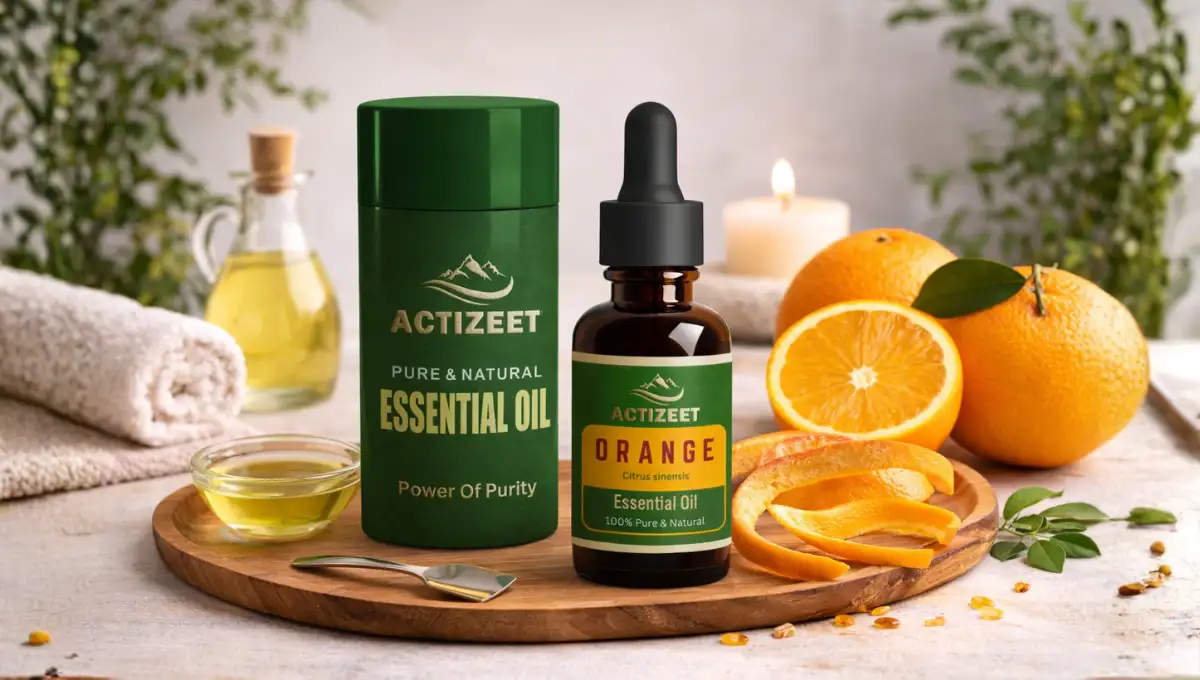
15 Orange Essential Oil Benefits: How d-Limonene, the Primary Compound in Citrus sinensis, Delivers Antioxidant, Antimicrobial, Antidepressant, and Mood-Lifting Power
Sweet orange essential oil is the world's most popular citrus aromatic, but it is far more than a pleasant fragrance. A 2024 review in the Journal of Agricultural and Food Chemistry confirmed its antidepressant-like effect through HPA axis modulation and monoamine neurotransmitter restoration. A PMC-published study confirmed its antioxidant and antimicrobial properties across multiple assays. A 2024 Wiley review synthesized its phytochemistry, mood modulation, neuroprotection, and metabolic benefits. This guide covers all 15.
Sweet orange essential oil from Citrus sinensis is simultaneously the world's most widely used essential oil, the most accessible in price, and the most underestimated in therapeutic depth by casual users who know it primarily as a pleasant fruity fragrance for diffusers and room sprays. The reality is considerably more interesting than that familiar image suggests. Orange essential oil contains over 90% d-limonene, a monoterpene hydrocarbon that a 2024 comprehensive pharmacological review in SAGE Journals specifically confirmed has antimicrobial, anticancer research, analgesic, anti-inflammatory, antioxidant, immune regulation, neuroprotective, and metabolic and cardiovascular therapeutic properties, establishing d-limonene as one of the most pharmacologically multi-dimensional natural monoterpenes documented in current scientific literature.
The PMC-published study on Citrus sinensis essential oils confirmed both antioxidant and antimicrobial activity across multiple assay systems, finding limonene at 89.8 to 90.4% as the dominant compound. The Journal of Agricultural and Food Chemistry study confirmed that orange essential oil inhalation significantly ameliorated depression-like behaviors in animal models through HPA axis inhibition and monoamine neurotransmitter restoration. And a 2024 Wiley Flavour and Fragrance Journal review specifically synthesized the phytochemistry, biological activities, and industrial applications of orange essential oil with emphasis on mood modulation, neuroprotection, antimicrobial activity, and metabolic health, establishing one of the most comprehensive and most recent reviews of this oil's therapeutic potential available in the literature.
This guide covers 15 specific orange essential oil benefits grounded in this published research, explains the d-limonene and linalool mechanisms behind each, and shows you how ACTIZEET® Orange Essential Oil delivers this bright, sunny, scientifically validated botanical therapy in its most genuine form.
Botanical name: Citrus sinensis (L.) Osbeck | Family: Rutaceae | Extraction: Cold pressing of the outer peel (standard); steam distillation also used | Primary compound: d-Limonene (89 to 96%) | Secondary compounds: Linalool (trace to 2%), myrcene (3 to 4%), gamma-terpinene, alpha-pinene, octanal, decanal, sabinene | Note: Sweet orange (C. sinensis) is distinct from bitter orange (C. aurantium) and blood orange; most therapeutic research uses sweet orange | Aroma: Bright, warm, fresh-citrus, sweet, cheerful, universally uplifting; the world's most recognized and most loved citrus aroma
Key Active Compounds in Sweet Orange Essential Oil
| Compound | Content | Primary Therapeutic Action |
|---|---|---|
| d-Limonene | 89–96% | Primary monoerpene; antioxidant; antimicrobial; antifungal; antidepressant; anxiolytic; anti-inflammatory; analgesic; anticancer research; immune regulation; neuroprotective; carminative; the most studied single compound in orange oil |
| Myrcene | 3–4% | Anti-inflammatory; analgesic; sedative; antimicrobial; synergizes d-limonene's calming and analgesic properties |
| Linalool (trace) | Trace–2% | GABA-modulating calming and anxiolytic; antifungal; sedative; contributes to orange oil's calming aromatic dimension |
| Gamma-Terpinene | 1–2% | Antioxidant (significantly higher in steam-distilled vs cold-pressed oil, per PMC study); antimicrobial; anti-inflammatory |
| Alpha-Pinene | Trace–1% | Anti-inflammatory; bronchodilatory; antimicrobial; memory-supportive; contributes to fresh opening aroma |
| Octanal / Decanal | Trace aldehydes | Characteristic citrus fresh aroma contributors; antimicrobial; skin conditioning properties |
15 Orange Essential Oil Benefits
Antidepressant activity is the most specifically and most mechanistically documented emotional health benefit of orange essential oil, with a landmark study published in the Journal of Agricultural and Food Chemistry (JAFChem) providing the most detailed molecular mechanism confirmation available for any citrus oil's mood-lifting properties.
The Journal of Agricultural and Food Chemistry published a study specifically titled "Antidepressant-like Effect of Citrus sinensis (L.) Osbeck Essential Oil and Its Main Component Limonene on Mice" that investigated the antidepressant-like effects of orange essential oil and its main compounds using the chronic unpredictable mild stress (CUMS) model. The study found that orange essential oil inhalation significantly ameliorated depression-like behaviors of CUMS mice with decreased body weight, sucrose preference, curiosity, and mobility as well as shortened immobile time and attenuated dyslipidemia. Limonene was the most abundant compound in the sniffing environment and in mouse brain after sniffing, and it was not metabolized immediately in the brain. Limonene inhalation significantly restored CUMS-induced depressive behavior, hyperactivity of the hypothalamic-pituitary-adrenal axis, and the decrease of monoamine neurotransmitter levels, with downregulation of brain-derived neurotrophic factor and its receptor expression in the hippocampus confirmed by the study.
The antidepressant mechanism of orange essential oil is now documented at a remarkable level of molecular detail. When d-limonene is inhaled, it enters the brain through the olfactory pathway and is detectable in brain tissue, meaning it crosses the blood-brain barrier through the olfactory system more efficiently than most aromatic compounds. Once in the brain, d-limonene inhibits HPA axis hyperactivation (reducing chronic cortisol-driven mood suppression), restores monoamine neurotransmitter levels (serotonin, dopamine, noradrenaline), and upregulates BDNF (brain-derived neurotrophic factor) in the hippocampus. This combination of targets is essentially the same pharmacological profile as pharmaceutical antidepressants, delivered through a pleasant citrus aroma rather than a swallowed pill. The bright, uplifting, warm-sunny quality of orange oil's aroma that everyone experiences as mood-lifting is a genuine neurochemical reality validated at the molecular level.
Anxiety relief through orange essential oil aromatherapy is among the most clinically studied of all citrus aromatherapy applications, with a clinical study published in the Iranian Journal of Nursing and Midwifery Research specifically evaluating orange oil aromatherapy in reducing labor stress and anxiety and finding significant stress reduction. A wider evidence base from multiple published studies confirms that orange oil inhalation reduces anxiety and produces calming, anti-stress effects through documented neurological pathways. The 2024 Wiley review synthesized the evidence for orange essential oil's mood modulation specifically, confirming its anxiolytic properties.
The anxiety-reducing mechanism involves d-limonene's olfactory-limbic activation of the parasympathetic nervous system through the same HPA axis inhibition documented for the antidepressant properties. Inhaling orange oil reduces the sympathetic nervous system hyperactivation of stress and anxiety states, increases parasympathetic activity, and triggers the release of endorphins and serotonin through olfactory reward pathway activation. The bright, warm, cheerful quality of orange's aroma additionally creates a psychological association with comfort, abundance, warmth, and positive experience that amplifies the neurochemical calming through conditioned positive emotional response. Orange oil is the most widely accessible, most universally enjoyed, and one of the most evidence-credible natural aromatherapy anxiety management tools available in India's 2026 wellness market.
Antioxidant activity is confirmed for orange essential oil across multiple published assay systems, with the PMC study on Citrus sinensis essential oils evaluating both cold-pressed and steam-distilled preparations across several antioxidant assays. The study found that the cold-pressed oil (EOP) showed significantly higher radical elimination ability than the steam-distilled variant, while both presented similar reducing capacities. The study also found that non-volatile phenolics were eight times higher in the cold-pressed oil than in the steam-distilled oil, reflecting the importance of extraction method for antioxidant compound retention.
A PMC-published study, "Citrus sinensis Essential Oils: An Innovative Antioxidant and Antipathogenic Dual Strategy in Food Preservation against Spoilage Bacteria," analyzed both cold-pressed (EOP) and cold-pressed followed by steam-distilled (EOPD) orange essential oils by GC-MS, finding limonene at 90.4 to 89.8% as the dominant compound followed by myrcene at 3.2 to 3.1% as the second major compound. The non-volatile phenolics were eight times higher in the EOP than in the EOPD. Several antioxidant assays confirmed both oils presented similar reducing capacities while the radical elimination ability was higher for the cold-pressed EOP. The antimicrobial activity of both essential oils against spoilage bacteria was also confirmed, establishing a dual antioxidant-antimicrobial functional profile for commercially produced Citrus sinensis essential oil.
The antioxidant significance of orange essential oil for skin and general health applications is multi-dimensional. The d-limonene-driven free radical scavenging reduces the oxidative damage to skin cells, lipid membranes, and DNA that drives aging, photoaging, inflammatory conditions, and chronic disease progression. The non-volatile phenolic fraction (much higher in cold-pressed orange oil) provides additional antioxidant coverage through polyphenolic mechanisms. For topical skin care applications, orange oil's antioxidant activity protects skin from UV-generated reactive oxygen species, contributing to the brightening, anti-aging, and anti-inflammatory skin care properties documented in published research on citrus oil skin applications.
🍊 ACTIZEET® Orange Essential Oil: pure cold-pressed Citrus sinensis peel oil with genuine high-limonene content for India's brightest, most uplifting, and most research-backed botanical therapy.
Explore ACTIZEET® →Antimicrobial activity is the co-primary confirmation alongside antioxidant activity in the PMC Citrus sinensis essential oil study, and the SAGE Journals comprehensive d-limonene pharmacological review (2024) specifically confirms antimicrobial as the first-listed pharmacological effect of limonene including antibacterial, antiviral, and antifungal properties. Multiple studies cited in the WellMe research summary confirmed that cold-pressed orange peel releases strong antibacterial properties through the limonene component, confirmed antimicrobial activity against food spoilage bacteria and against E. coli specifically, and documented that Citrus sinensis essential oil contains a wide spectrum of antimicrobial activities.
The antimicrobial mechanism of d-limonene involves disruption of bacterial cell membrane integrity through the monoterpene's interaction with membrane phospholipids, reducing bacterial cell membrane permeability and respiratory function. The Indonesian research cited in the PMC review additionally confirmed that d-limonene proved to be five times stronger than niaouli oil in inhibiting the development of nematode eggs, establishing antiparasitic activity alongside the antibacterial. For Indian buyers dealing with food-spoilage prevention, surface disinfection, skin bacterial infections, and the ongoing antimicrobial hygiene awareness of 2026, orange essential oil's confirmed broad-spectrum antimicrobial activity provides a genuinely pleasant-smelling, research-documented natural antimicrobial tool.
Anti-inflammatory activity is confirmed for d-limonene in the comprehensive 2024 SAGE Journals pharmacological review, which lists anti-inflammatory alongside antimicrobial, analgesic, antioxidant, anticancer, immune regulation, and neuroprotective as documented pharmacological effects of limonene from citrus plants. The PMC-published Citrus bioactive compounds review additionally confirmed that sweet orange essential oil rich in limonene prevented a decrease in antioxidant status markers including total antioxidant capacity (T-AOC), SOD, and CAT, which are the primary antioxidant enzyme systems that protect against oxidative inflammation. A 2024 PubMed study on Citrus sinensis essential oil specifically assessed anti-inflammatory and cytotoxic activities alongside antioxidant properties, confirming the comprehensive anti-inflammatory profile.
The anti-inflammatory mechanism of orange oil involves d-limonene's inhibition of pro-inflammatory cytokine production, suppression of NF-kappaB signaling in inflammatory pathways, and the antioxidant activity that reduces the reactive oxygen species driving oxidative inflammation. The myrcene component contributes additional anti-inflammatory activity through COX enzyme pathway inhibition. For India's enormous population dealing with chronic inflammatory conditions, arthritis, inflammatory skin conditions, and the low-grade systemic inflammation associated with urban stress and dietary patterns, orange oil's pleasant-smelling, easily accessible, and research-confirmed anti-inflammatory activity provides a meaningful complementary daily aromatherapy support.
Skin brightening and acne care represent orange essential oil's most commercially significant skin care applications, with the WellMe research summary specifically documenting that Citrus sinensis essential oil reduced acne lesions by up to 75% in one published study (with minor side effects including some redness at higher concentrations). The skin brightening effect is driven by d-limonene's documented ability to lighten scars and hyperpigmentation through antioxidant protection against melanin-driving oxidative damage, combined with mild keratolytic activity that promotes cell renewal.
The skin care mechanism is comprehensive. D-limonene's antimicrobial activity targets Cutibacterium acnes, the bacteria driving inflammatory acne. The anti-inflammatory activity reduces the redness and swelling of existing acne lesions. The antioxidant activity protects skin from UV-driven hyperpigmentation that creates the post-acne marks that are among India's most prevalent cosmetic skin concerns. The mild brightening activity gradually lightens existing hyperpigmentation. And the antiseptic properties prevent wound infection in healing acne lesions. This multi-mechanism acne and brightening approach in a single pleasant-smelling oil makes orange essential oil one of the most practically useful and most accessible natural skin care actives for India's acne and hyperpigmentation concerned population in 2026. Always dilute to 1% or less in carrier for facial use and apply in evenings to avoid the mild phototoxicity risk of citrus oils under direct sun exposure.
Digestive support is among the most traditionally documented and most practically experienced benefits of orange peel preparations across multiple cultural medicine traditions, reflecting the empirical observation of d-limonene's documented carminative (gas-expelling) and antispasmodic properties on the gastrointestinal tract. The NaturallyDaily research summary confirms that orange oil chemical compounds have carminative and antispasmodic qualities, and the SAGE Journals d-limonene pharmacological review confirms digestive and metabolic health benefits as part of d-limonene's documented pharmacological profile.
The digestive mechanism involves d-limonene's antispasmodic activity relaxing intestinal smooth muscle spasm that causes cramping and bloating, carminative activity facilitating gas movement through the intestinal tract, and the choleretic effect of d-limonene (stimulating bile secretion) that supports fat digestion and overall digestive function. Orange essential oil is also documented to have antiparasitic properties, with d-limonene confirmed as five times stronger than niaouli oil against intestinal parasites in one study. For India's population dealing with the digestive challenges of diverse dietary patterns, hot weather gut dysfunction, and the IBS-related symptoms common across the Indian adult population, orange oil as a topical abdominal massage oil or through diffusion provides pleasant, evidence-informed digestive aromatic support.
Immune regulation is specifically listed as one of the confirmed pharmacological effects of d-limonene in the comprehensive 2024 SAGE Journals review, alongside antimicrobial, anti-inflammatory, antioxidant, analgesic, neuroprotective, and metabolic properties. The PMC bioactive compounds review additionally confirmed that the citrus essential oil rich in limonene maintained antioxidant status markers including total antioxidant capacity, SOD, and CAT enzymes, which are critical components of the cellular antioxidant immune defense system.
The immune support mechanism involves multiple d-limonene activities. Antioxidant protection of immune cells from the oxidative stress that impairs immune function. Anti-inflammatory modulation that reduces the chronic inflammation that suppresses rather than supports appropriate immune activity. Antimicrobial activity that reduces pathogen load, supporting the immune system's defense burden. And the stress-reducing anxiolytic and antidepressant properties that reduce cortisol's immunosuppressive effects: chronic cortisol from sustained stress is one of the most significant lifestyle drivers of immune suppression in India's urban professional population in 2026, and orange oil's documented HPA axis modulation directly addresses this stress-immunity connection.
🍊 From JAFChem-published antidepressant HPA axis research to PMC-confirmed antimicrobial activity. ACTIZEET® Orange Essential Oil for India's most universally joyful, most scientifically documented botanical uplift.
Shop Now →Analgesic (pain-relieving) activity is confirmed for d-limonene in both the 2024 SAGE Journals comprehensive pharmacological review and the NaturallyDaily research summary, which specifically confirms that hydrocarbon limonene in orange oil has analgesic or pain-relieving activity and that the oil can decrease different kinds of pain such as inflammation, muscle spasms, tissue damage, pain from bone fractures, and headaches. The breadth of pain conditions listed reflects d-limonene's multi-mechanism analgesic profile that addresses both inflammatory pain (through anti-inflammatory cytokine suppression) and nociceptive pain (through peripheral pain receptor modulation).
The analgesic mechanism involves d-limonene's interaction with peripheral nociceptors, reducing the calcium influx that drives pain signal generation, alongside the anti-inflammatory COX pathway inhibition that reduces prostaglandin synthesis driving inflammatory pain. The myrcene component contributes additional analgesic activity with documented opioid-pathway-independent sedative and analgesic effects that synergize d-limonene's own analgesic properties. For India's significant pain burden from arthritis, muscle strain, workplace repetitive stress injuries, and headaches, orange oil's warm-citrus analgesic massage blend provides pleasant, accessible, evidence-documented natural pain support.
Antifungal activity is confirmed for d-limonene in the 2024 SAGE Journals pharmacological review as part of the broad antimicrobial spectrum, and the PMC and WellMe research summaries both confirm wide-spectrum antimicrobial activity that includes antifungal properties alongside antibacterial and antiparasitic action. The mechanism of d-limonene's antifungal activity involves disruption of fungal ergosterol biosynthesis and cell membrane integrity through the same monoterpene membrane interaction that drives the antibacterial properties.
For India's population dealing with endemic fungal skin conditions including tinea, dandruff driven by Malassezia, and the various superficial mycoses that India's warm, humid climate promotes, orange oil's antifungal activity provides a pleasant-smelling, citrus-bright natural topical antifungal support. The specific pleasantness of orange's aroma makes it significantly more acceptable for regular daily use than some of the more medicinally sharp antifungal oils. Blending orange oil with tea tree or patchouli in a carrier creates a more comprehensive antifungal preparation that combines orange's bright antifungal d-limonene with tea tree's more potent antifungal terpinen-4-ol or patchouli's documented antifungal pogostone.
Household disinfection is one of the most practically applied and most commercially successful applications of d-limonene's documented antimicrobial activity, with multiple research sources confirming orange oil's effectiveness as a natural antimicrobial cleaner. The NaturallyDaily summary confirms that orange oil is a strong antiseptic for room and kitchen surface disinfection, recommending 10 to 15 drops in 500 ml of clean water as a room freshener and surface disinfectant. The PMC research confirmed antimicrobial activity against multiple spoilage bacteria and pathogens relevant to food safety and household hygiene.
The commercial cleaning significance of d-limonene extends well beyond essential oil aromatherapy. D-limonene is the active ingredient in many commercial natural cleaning products, specifically used as a solvent for grease and grime alongside its antimicrobial properties. It is GRAS (Generally Recognized As Safe) listed by the US FDA as a cleaning and flavoring agent, establishing regulatory safety confirmation that is unique among cleaning actives. For India's households seeking natural cleaning alternatives to synthetic chemical disinfectants, orange essential oil provides the most evidence-backed, most pleasant-smelling, and most accessible natural surface disinfection option available.
Neuroprotective activity is confirmed for d-limonene in the 2024 SAGE Journals comprehensive pharmacological review, which specifically lists neuroprotection among d-limonene's documented pharmacological effects. The JAFChem antidepressant study additionally documented that limonene inhalation upregulated brain-derived neurotrophic factor (BDNF) and its receptor expression in the hippocampus, and the 2024 Wiley review of orange essential oil's biological activities specifically included neuroprotection as one of the major therapeutic dimensions being synthesized in that review.
BDNF upregulation in the hippocampus is particularly significant for neuroprotective applications. BDNF is the primary growth factor supporting neuronal survival, synaptic plasticity, and the formation of new neural connections. Low hippocampal BDNF is a defining neurobiological marker of depression, chronic stress, and neurodegenerative vulnerability. That orange essential oil inhalation increases hippocampal BDNF in animal models provides a specific, pharmacologically meaningful neuroprotective mechanism that supports both mood health and potentially longer-term cognitive resilience. For India's aging population with growing concerns about cognitive health and neurodegenerative disease prevention in 2026, consistent daily orange oil diffusion provides one of the most pleasant and most accessible natural neuroprotective aromatic practices available.
Sedative activity is listed among the confirmed pharmacological properties of orange oil's chemical compounds in the NaturallyDaily research summary, which identifies anti-stress, calming, and sedative qualities alongside the anti-inflammatory, antimicrobial, and anxiolytic properties. The myrcene component of orange essential oil specifically has documented sedative and muscle-relaxing properties that contribute to orange oil's sleep-supportive aromatic dimension. And the anxiolytic HPA axis inhibition that reduces cortisol-driven hyperarousal is the primary pathway through which orange oil's sleep support operates.
The sleep mechanism of orange essential oil is distinct from the more intensely sedating essential oils like vetiver or valerian. Orange oil creates sleep conditions rather than imposing sedation: the anxiety reduction and cortisol-lowering properties remove the hyperarousal barriers to natural sleep onset, while the pleasant, warm, bright aroma creates a positive and comfortable sensory environment that the nervous system readily accepts as safe enough for rest. For people whose sleep difficulty is primarily driven by racing thoughts, anxiety, and stress-related cortisol hyperactivation, orange oil is one of the most practically effective and most pleasantly experienced natural sleep support aromatherapy options. Blending with lavender in a bedroom diffuser creates the most widely studied and most evidence-credible natural sleep aromatherapy combination.
Metabolic and cardiovascular health are specifically confirmed as therapeutic benefit areas for d-limonene in the 2024 SAGE Journals comprehensive review, which lists therapeutic benefits for metabolic and cardiovascular disorders as part of d-limonene's documented pharmacological profile. The JAFChem antidepressant study additionally confirmed that orange oil inhalation attenuated dyslipidemia (abnormal blood lipid levels) in the animal model alongside the antidepressant behavioral improvements, establishing a specific lipid-normalizing metabolic effect of orange oil inhalation.
The metabolic mechanism involves d-limonene's documented cholesterol synthesis modulation through HMG-CoA reductase pathway interaction, which is the same enzyme target as pharmaceutical statin medications, providing a pharmacologically credible mechanism for the cholesterol-lowering effects documented in some d-limonene research. The cardiovascular relevance includes both the lipid normalization and the anti-inflammatory activity reducing the arterial inflammation that drives cardiovascular disease progression. For India, with cardiovascular disease as the leading cause of death and metabolic syndrome affecting a rapidly growing proportion of the urban population in 2026, the metabolic and cardiovascular research dimensions of orange oil's d-limonene content provide a pharmacologically credible basis for ongoing interest in this accessible, pleasant-smelling botanical compound as a complementary metabolic health support.
Children's aromatherapy and family wellness represent orange essential oil's most unique and most practically important distinction from most other therapeutic essential oils. While the majority of potent therapeutic oils (peppermint, eucalyptus, wintergreen, rosemary) have safety restrictions for young children, pure sweet orange essential oil is generally considered one of the safest essential oils for use around children over 2 years of age, making it the primary therapeutic essential oil for family aromatherapy applications where children are present.
The bright, sweet, cheerful aroma of orange oil is universally loved by children. The anxiety-reducing and mood-lifting properties are directly beneficial for children's emotional regulation challenges, school anxiety, separation anxiety, and the stress of academic performance pressure. The antimicrobial diffusion properties help reduce airborne pathogen loads in family living spaces, supporting the immune health of children who are frequently exposed to viral and bacterial pathogens through school environments. And the happy, uplifting aromatic quality of orange oil in a family living space creates a consistently positive, welcoming emotional environment that benefits every family member's mental wellness simultaneously. For Indian families seeking the most family-appropriate, most universally loved, and most evidence-documented aromatherapy oil for shared family wellness in 2026, sweet orange essential oil is the single most appropriate and most practically useful choice available.
ACTIZEET® Orange Essential Oil is cold-pressed from authentic Citrus sinensis orange peel, preserving the 90%+ d-limonene content and the full antioxidant, antimicrobial, antidepressant, anxiolytic, and family-safe therapeutic profile that makes sweet orange the world's most uplifting and most research-documented citrus essential oil. The brightest botanical in India's wellness toolkit.
🍊 Shop ACTIZEET® Orange Essential Oil →How to Use Orange Essential Oil
Morning Mood Diffusion
4 to 6 drops in a water diffuser for morning activation. Orange oil's documented HPA axis modulation and monoamine neurotransmitter restoration provide genuine antidepressant-like neurochemical morning uplift. The world's most immediately mood-brightening aromatic start to any day.
Evening Skin Brightening Serum
1 drop in 1 tsp rosehip carrier oil. Apply at night only (avoid sun exposure after citrus topical use). D-limonene antioxidant UV damage protection, antimicrobial acne control, and mild brightening for post-acne marks work overnight without phototoxicity risk.
Natural Surface Disinfectant
12 to 15 drops in 500 ml water with natural soap in a spray bottle. PMC-confirmed antimicrobial activity against spoilage bacteria and pathogens. The most pleasant-smelling, most child-safe, most evidence-backed natural kitchen and bathroom disinfectant available.
Digestive Belly Massage
3 drops in 1 tsp carrier oil. Warm massage in clockwise circles over abdomen. Carminative d-limonene reduces bloating and gas while the antispasmodic activity relieves cramping. The choleretic bile-stimulating effect supports fat digestion and overall digestive function.
Study and Focus Enhancement
3 drops in diffuser during study sessions. The mood-uplifting and BDNF-supporting neuroprotective properties improve cognitive motivation and mental clarity. Orange's warm brightness is less aggressively stimulating than peppermint, making it ideal for sustained study focus.
Family Room Freshener
5 drops in diffuser in family living spaces. The most universally loved, most family-appropriate, most child-safe aromatic for consistent daily family wellness. Antimicrobial air freshening, mood uplift for all family members, and the most welcoming home aroma possible.
What Orange Essential Oil Blends Well With
Safety Guidelines
- Avoid topical sun exposure. Cold-pressed citrus peel oils contain furanocoumarins (primarily bergapten in orange) that cause phototoxic reactions (redness, darkening, blistering) when applied to skin that is then exposed to UV light. Apply topically in evenings only, or use steam-distilled orange oil (which has significantly lower furanocoumarin content) for daytime topical applications. This does NOT apply to diffuser aromatic use.
- Dilute before topical application. Use 1 to 2% dilution in carrier oil (1 to 2 drops per teaspoon) for topical skin applications. Orange oil is generally well-tolerated but the d-limonene can cause mild sensitization with repeated undiluted application to sensitive skin.
- Family-friendly in diffusion from age 2+. Sweet orange essential oil is one of the safest essential oils for diffusion use around children, unlike peppermint, eucalyptus, and wintergreen which have menthol and camphor-related children's restrictions. Standard dilution principles still apply for any direct topical application to children's skin.
- Sweet orange vs bitter orange distinction. Sweet orange (Citrus sinensis, used in this guide) is significantly different from bitter orange (Citrus aurantium) which contains synephrine and has cardiovascular and blood pressure considerations. Always verify the species (Citrus sinensis) on any orange oil product for the most research-documented and most broadly safe therapeutic profile.
- Not a substitute for medical treatment. While d-limonene's antidepressant, anxiolytic, and anti-inflammatory properties are research-documented, orange essential oil aromatherapy is complementary support rather than medical treatment for clinical depression, anxiety disorders, or chronic inflammatory conditions.
Frequently Asked Questions
Orange Essential Oil: The Brightest, Most Uplifting, and Most Scientifically Validated Mood-Support Botanical Available
The 15 orange essential oil benefits covered in this guide collectively reveal a botanical that its everyday familiarity consistently causes people to underestimate. The JAFChem-published antidepressant study confirming that d-limonene inhalation restores monoamine neurotransmitters, inhibits HPA axis hyperactivation, and upregulates hippocampal BDNF through specific molecular mechanisms. The PMC study confirming dual antioxidant and antimicrobial activity across multiple assay systems. The 2024 SAGE Journals comprehensive d-limonene review confirming antimicrobial, anticancer research, analgesic, anti-inflammatory, antioxidant, immune regulation, neuroprotective, and metabolic/cardiovascular benefits as documented pharmacological effects of the 90%+ constituent of orange essential oil. The 2024 Wiley review synthesizing mood modulation, neuroprotection, antimicrobial, and metabolic health as the major therapeutic dimensions. And the clinical study confirming orange oil aromatherapy reduces labor-related anxiety and stress in human subjects.
The brightest, most universally loved, most affordable, and most family-safe essential oil in the world has earned its global popularity through genuine therapeutic depth that the most sophisticated contemporary research consistently confirms. ACTIZEET® Orange Essential Oil delivers this extraordinary d-limonene-rich botanical heritage in the most authentic, most genuinely potent, and most joyfully aromatic form available in India in 2026.
Latest From Our Blog

Best Mogra Oil in India 2026: A Complete Buyer’s Guide to Pure, Authentic Jasminum sambac Essential Oil
Looking for the best mogra oil in India in 2026?...

Best Marigold Oil in India 2026: A Complete Buyer’s Guide to Pure, Authentic Tagetes erecta Essential Oil
Looking for the best marigold oil in India in 2026?...

Best Bay Leaf Oil in India 2026: How to Find Genuine Laurus nobilis and Why ACTIZEET® Delivers the Real Tejpatta Botanical at Its Most Therapeutic
Looking for the best bay leaf oil in India? Learn...

Best Tangy Lemon Oil in India 2026: A Complete Buyer’s Guide to Pure, Authentic Citrus limon Cold-Pressed Peel Essential Oil
Looking for the best tangy lemon oil in India in...